Choosing a retail electricity supplier in the Philippines is not necessarily a once-and-done decision. Your business changes. Operations expand. Electricity consumption shifts. Budgets get tighter. What worked two or three years ago may no longer be the best fit today.
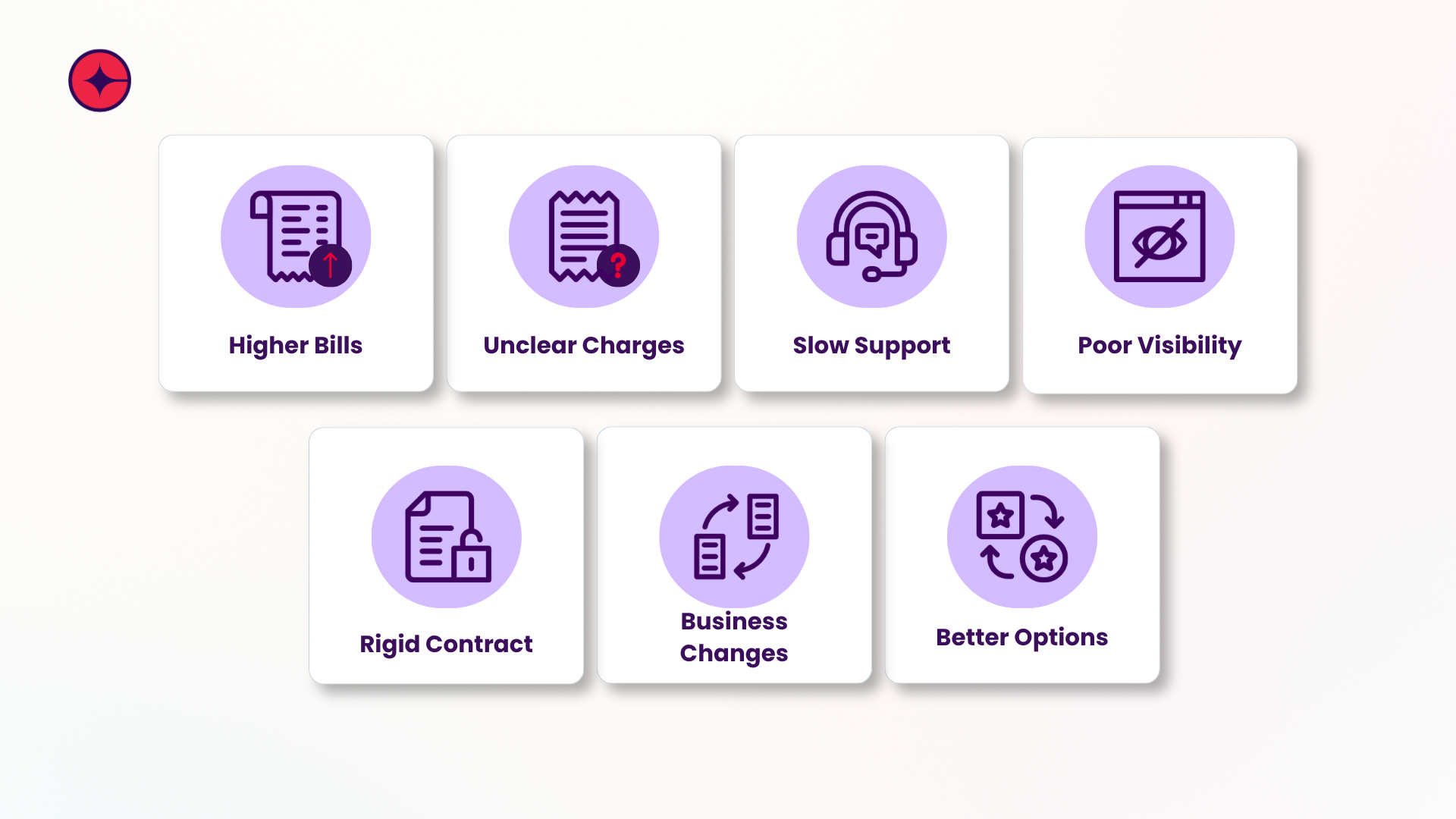
Sometimes, the issue is not even the electricity rate. It may be a bill you cannot easily explain. An email that takes too long to get answered. A contract that does not give you enough flexibility. Or a supplier that only seems to appear when renewal season comes around.
Under Retail Competition and Open Access (RCOA), qualified electricity customers have the ability to choose their Retail Electricity Supplier (RES). Effective June 26, 2026, the ERC lowered the RCOA and RAP eligibility threshold to 100 kW of average monthly peak demand, giving customers the choice to pick their preferred RES.
The Energy Regulatory Commission's rules also provide for the commercial transfer of customers from one RES to another, while IEMOP facilitates customer switching as the Central Registration Body for the retail market.
So if you are already in the contestable market, staying with the same supplier is not your only option. Here are seven signs it may be worth taking another look.
Your electricity bill should not feel like a puzzle every month. Of course, commercial electricity billing can be more complex than a household bill. There are different components, adjustments, consumption figures, demand information, and other charges to account for.
But complexity is different from a lack of clarity. If your team regularly finds itself asking questions such as: What exactly are we being charged for? Why did this portion of the bill increase? Where did this adjustment come from? Does this amount match what is written in our contract?
The problem may not be the bill itself. It may be how well your supplier explains it. A good electricity supplier should be able to walk you through what you are paying for in plain language.
You should not need an energy-market background just to understand one of your business's recurring operating expenses.
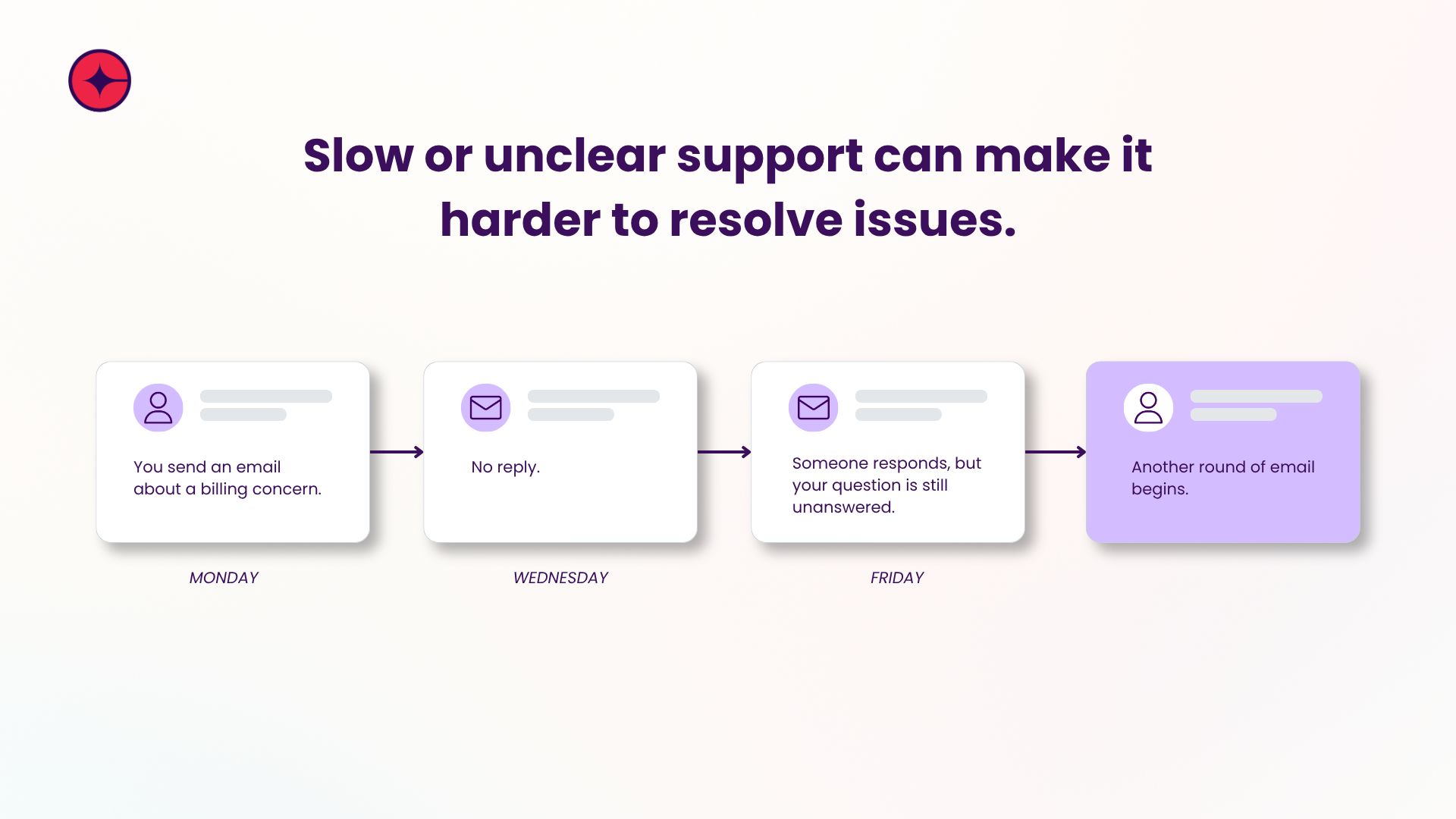
Picture this: You send an email on Monday about a billing concern. Wednesday comes. No reply. By Friday, someone responds, but your original question still has not been answered, so another round of emails begins.
When electricity represents a significant business expense, that kind of support experience becomes more than an inconvenience.
Questions about billing, contracts, metering, renewals, switching requirements, or electricity consumption can affect budgeting and operational decisions. You need to know who to contact and have confidence that someone will actually help move the issue forward.
That becomes especially important in the contestable market, where customers interact with several market participants. IEMOP serves as the Central Registration Body for RCOA, while ERC rules govern interactions involving retail suppliers, distribution utilities, and other participants. Your RES should help make that environment easier to navigate, not harder.
Businesses rarely stay the same. A manufacturer may add another production shift. A retailer may open new locations. A hotel may experience changing occupancy patterns. An office may move toward longer operating hours. A logistics facility may introduce new equipment.
These changes can alter how and when electricity is consumed, but has your electricity arrangement changed with them? This is where plan flexibility matters.
Some businesses value predictable electricity costs. Others have operating schedules that allow them to manage consumption at different times of the day. Others may need a more customized structure because their demand profile does not neatly fit a standard arrangement.
If you are paying under a structure chosen years ago without revisiting whether it still suits your consumption profile, it may be worth comparing your options.
Choosing a retail electricity supplier should involve more than asking which provider can quote the lowest headline rate. It should also involve asking whether the contract fits the way your business actually uses electricity.
Nobody likes financial surprises, especially on a recurring business expense. A competitive-looking price can become much less attractive once you understand every provision behind it.
When reviewing your existing contract or a renewal offer, look carefully at how different charges are treated, which costs are fixed or variable, what may be passed through to you, and what obligations apply throughout the contract.
The principle is simple: You should understand what can affect the amount you ultimately pay before you agree to it.
Transparency is also an established part of customer protection in the competitive retail market. The ERC's framework includes a Code of Conduct for competitive retail market participants, along with rules governing customer choice and switching.
If important pricing conditions become clear only after you have signed — or only after they affect your bill — that is a good reason to review the relationship.
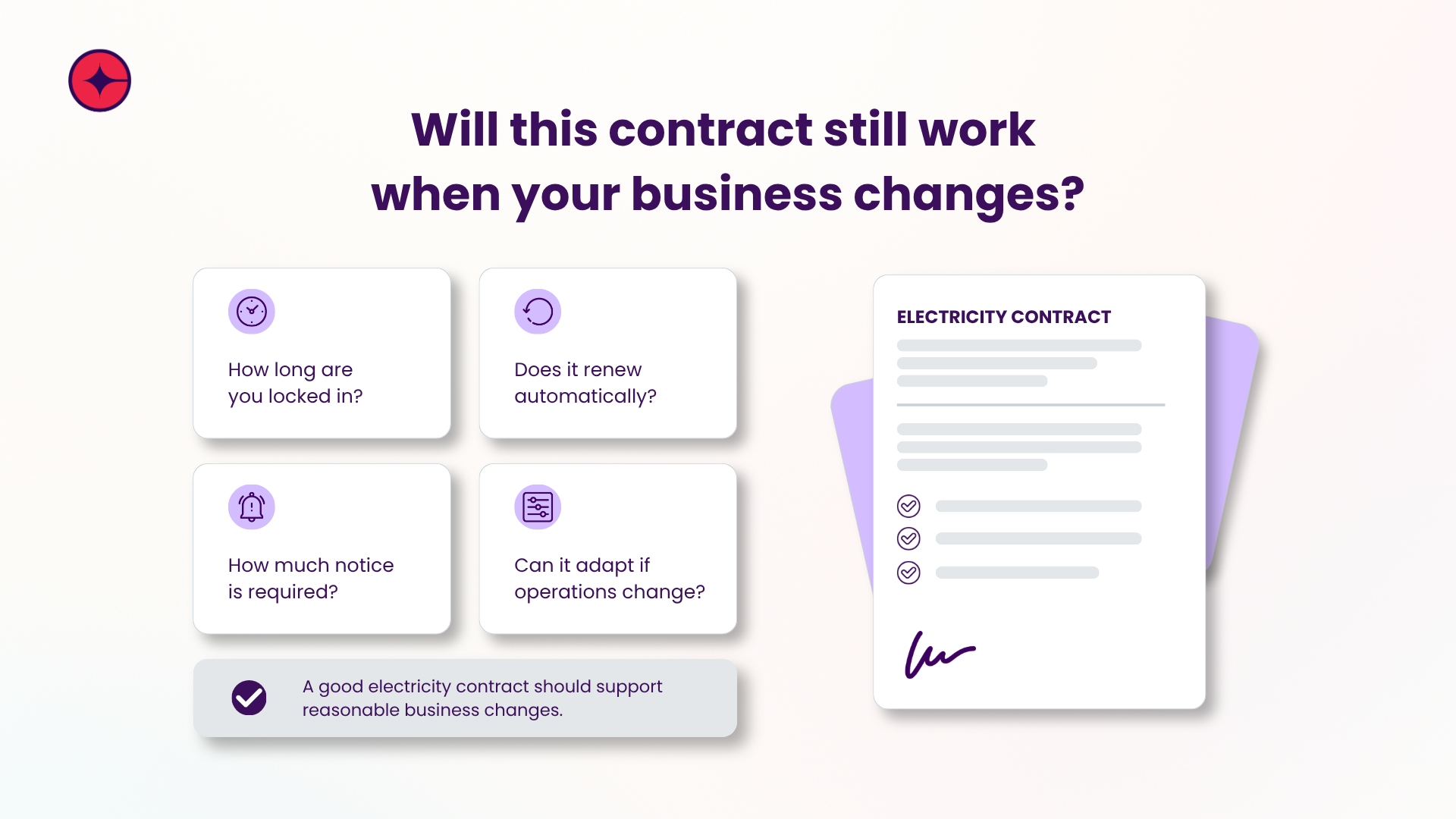
Price matters, but so do the terms surrounding it. Look at your current agreement and ask: How long are you locked in? What happens when the contract ends? How much notice is required if you want to move? Does the contract renew automatically?
Are there conditions that make it difficult to change suppliers? Can the arrangement adapt if your operations change?
A contract can offer an attractive electricity rate while still being a poor fit because of restrictive terms.
This matters when thinking about how to switch retail electricity suppliers in the Philippines. Changing RES is an established process rather than an unusual exception. IEMOP publishes specific retail-market switching procedures, including procedures applicable to customers moving between suppliers.
That does not mean you should switch every time another supplier offers a slightly different price. It does mean your contract should not make reasonable business choices unnecessarily difficult.
A good energy provider should bring more to the relationship than an annual quotation. Your electricity usage can reveal useful information about your operations. Rising demand, shifting consumption schedules, unusual usage patterns, or changes in production can all affect your energy strategy.
That creates opportunities for better conversations. Could your tariff still be improved? Has your load profile changed? Could an energy audit uncover avoidable consumption?
Are upcoming facility changes likely to affect your electricity requirements? Do you understand the risks and advantages of your current pricing structure?
You do not need a supplier constantly calling you. But there is a big difference between respectful account management and complete silence.
The best supplier relationships should feel less transactional and more like having someone who understands what your business is trying to accomplish.
Sometimes this is the clearest sign of all. If you are already searching for other electricity suppliers, comparing energy companies in the Philippines, or asking colleagues how much they pay for electricity, there is probably a reason.
Maybe the rate has stopped feeling competitive. Maybe service has deteriorated. Maybe your current contract no longer makes sense.
Maybe nothing is seriously “wrong”; you simply have not tested the market in a while. That alone can justify a review.
RCOA exists specifically to give qualified electricity customers a choice of supplier. Since June 26, 2026, the ERC has lowered the contestability threshold from 500 kW to 100 kW average monthly peak demand, allowing a wider group of commercial and industrial customers to participate in the competitive retail electricity market.
That expanding choice makes comparing suppliers more relevant than ever.
There is an important distinction between reviewing your options and immediately changing suppliers. You can start by reviewing your existing contract, recent electricity bills, usage patterns, renewal date, and current service experience.
Then compare. Ask another RES to explain what it would recommend and why. Look at the proposed rate structure, contract provisions, account support, billing transparency, and how the switching process would be handled.
If your current supplier still comes out on top, you have gained reassurance. If it does not, you now have the information needed to make a more informed decision.
At COREnergy Philippines, we believe a retail electricity relationship should make energy easier to manage.
That means clear pricing. Flexible electricity arrangements. Responsive support. Straightforward explanations. And guidance throughout the switching process so your team is not left figuring everything out by itself.
Because when you are comparing power companies in the Philippines, the question should not only be: “Who can give us electricity?”
A better question is: “Who will be the right electricity partner for our business?”
If your current RES no longer gives you the clarity, flexibility, or support your business needs, it may be time to see what else is available.
Talk to COREnergy and let us help you review your current electricity arrangement and explore whether there is a better fit for your business.