
Your electricity bill can feel like a group project: everyone has a part, nobody wants to explain it, and you’re the one paying for it. The good news is, once you know the major “buckets” on the bill, it gets easier to answer the questions that matter for businesses: What’s driving my cost? What can I control? Where do programs like Retail Competition and Open Access (RCOA) and the retail aggregation program come in?
This guide breaks down the common components of an electricity bill in the Philippines, explains the difference between peak and off-peak rates, and outlines the levers you can realistically adjust, without pretending you can “negotiate the weather” or “turn off Monday.”
Peak hours are periods when demand is typically higher, while off-peak hours are periods when demand is generally lower. If your supply arrangement uses Time-of-Use pricing, your bill can reflect different costs depending on when you use power, not just how much you use.
If you’re not on a Time-of-Use plan, peak/off-peak rates may not appear as separate charges on your bill; however, your operating schedule still affects your demand profile, which can impact your overall cost strategies.
Bill formats vary by Distribution Utility (DU), but many bills categorize charges into distinct categories, including generation, transmission, system loss, distribution, subsidies/discounts, taxes, and other regulated charges.
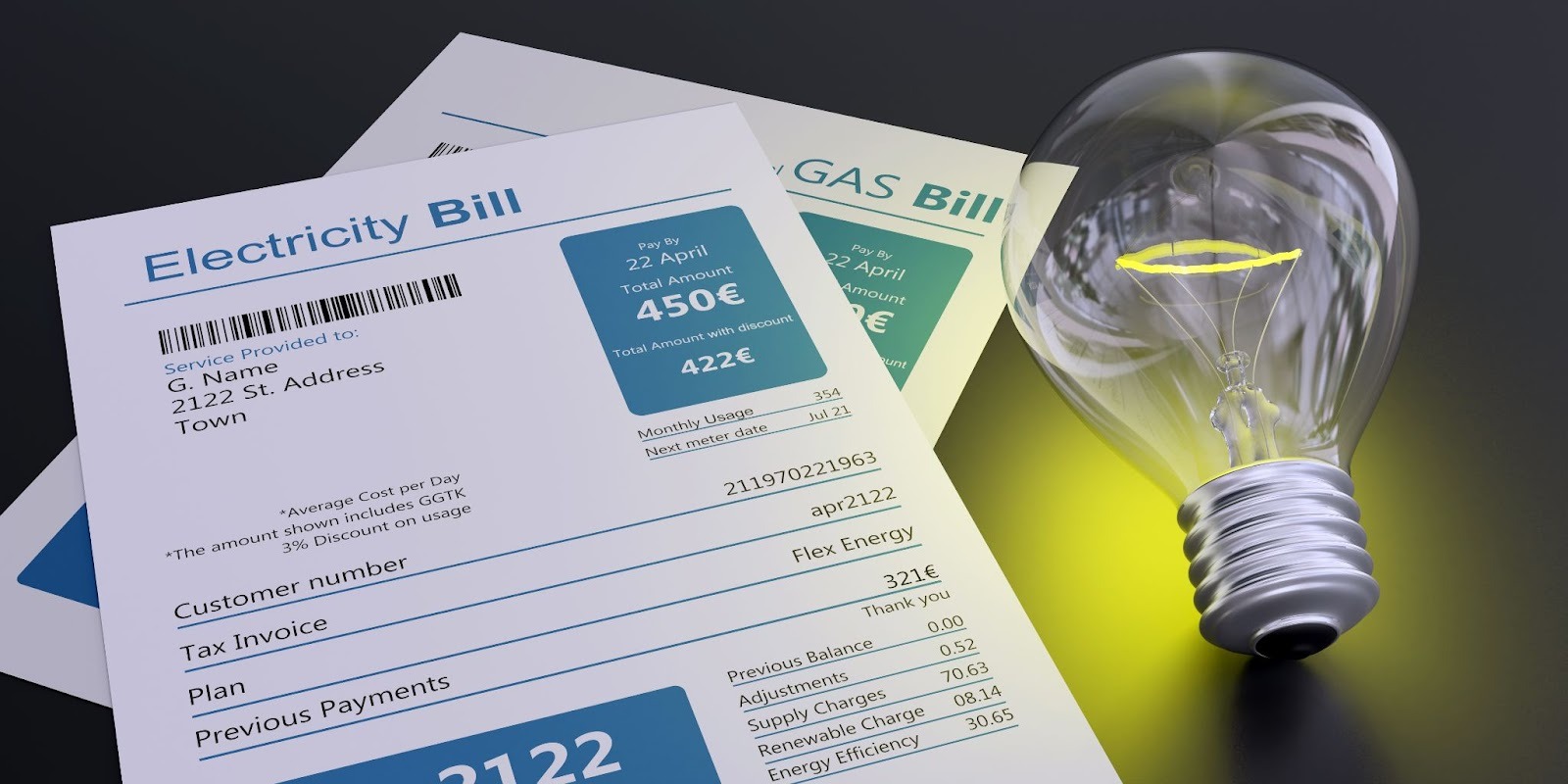
Here’s what those typically mean in plain business terms:
This is the cost of the electricity supply itself, what you pay for the power you consume. Utilities commonly describe this as covering the cost of power purchased from suppliers and/or the market.
What you can control:
This covers the cost of moving electricity through the high-voltage transmission network (the “highway system” of power). Transmission is part of the regulated delivery chain and appears as a separate charge on many bills.
What you can control:
This accounts for electricity losses that happen as power moves through the network (technical and non-technical losses). System loss is commonly listed separately on bills.
What you can control:
This covers the DU’s cost of delivering electricity from the network to your facility — think lines, transformers, and local delivery infrastructure. It’s a fundamental DU service and is typically a regulated component of the bill.
What you can control:
Some bills include separate fixed monthly charges related to metering and supply. These are commonly itemized as fixed charges in billing determinants and tax computations.
What you can control:
Bills can include subsidies/discounts (for eligible customer groups) and universal or other regulated charges and taxes. These are part of the broader regulated structure of electricity pricing and are typically itemized.
What you can control:
This is the most direct lever. Every kWh you avoid during non-essential times reduces what you pay across multiple bill components.
Practical moves:
If your facility can shift “non-critical” loads, Time-of-Use strategies can help.
Examples of shiftable loads (common in real operations):
Even if you can’t move essential operations, shifting support loads off-peak can improve your overall profile.
Many businesses overlook this: spikes cost you in more ways than one—especially if you’re starting multiple large loads at once.
Practical moves:
This is where “peak vs. off-peak” becomes operational, not just billing trivia.
Retail Competition and Open Access (RCOA) — introduced under EPIRA — allows contestable customers to choose their electricity supplier instead of being limited to bundled supply from the DU.
This matters because it can change how your supply is structured (and how aligned it is with your operating reality).
That’s where a lot of the RCOA business benefits show up in the real world:
The Retail Aggregation Program (RAP) is designed to enable aggregation of end-users’ demand so they can meet the threshold for participating in retail choice programs. In the RAP rules, aggregation of electricity requirements with a total monthly average peak demand of at least 500 kW within a contiguous area is part of the framework, with implementation referenced as effective December 26, 2022.
Why It Matters
If individual sites are below the threshold on their own, aggregation can potentially bring multiple end-users together so they can participate, subject to the program rules and eligibility.
If you’re asking how RES can benefit your business, here’s the simplest way to frame it using the bill breakdown:
In other words, you can’t “unsubscribe” from physics or regulated delivery charges, but you can make smarter choices about the parts of the bill that are influenced by supply structure and how you operate.
Use this as your monthly CFO-friendly scan:
RCOA is a program under EPIRA that allows eligible (contestable) customers to choose their electricity supplier, rather than being limited to the DU’s bundled supply.
The retail aggregation program enables end-users to aggregate demand to meet participation thresholds for retail choice programs, including provisions referring to an aggregate monthly average peak demand of at least 500 kW within a contiguous area.
Common benefits include more supply options, plan structures better aligned with operating hours, and the ability to select a supplier arrangement that supports cost planning and operational optimization.
If eligible, a RES can help you choose pricing structures that better fit your load profile, especially when peak vs. off-peak scheduling and demand discipline are part of your strategy.
Want a clearer bill and more control over your power strategy? COREnergy helps eligible businesses understand their bill drivers, identify controllable loads, and evaluate options under RCOA and retail aggregation, so your plan fits your operating hours (not the other way around). With COREnergy, expect practical guidance, clear steps, and a plan recommendation based on your actual usage pattern.